
Why Kids Spend Everything (and How to Help Rewire)
It happens almost every time.
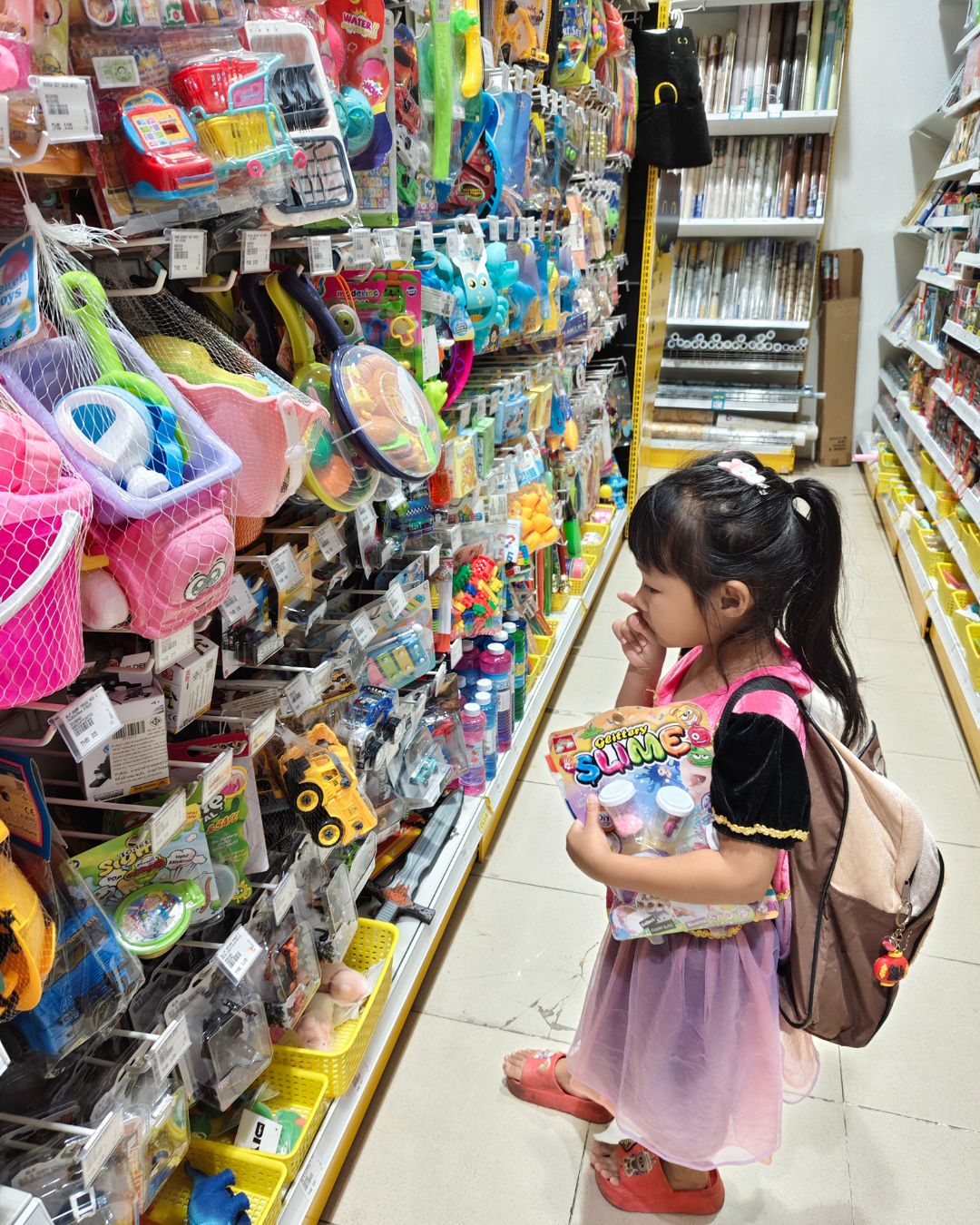
You give your child money and before the day ends, it’s gone.
A toy here, a snack there… and suddenly, nothing is left.
If you’ve ever wondered, “Why does my child spend everything so quickly?” you’re not alone. The good news? This behavior is completely normal and more importantly, it’s teachable.
Why Kids Spend Everything
Before fixing the habit, it helps to understand where it comes from.
1. They Live in the “Now”
Kids are naturally wired to focus on the present.
The idea of “saving for later” doesn’t feel as exciting as getting something right now.
To them:
a. Candy today is happiness
b. Saving for next week is abstract and unclear
Before fixing the habit, it helps to understand where it comes from.
2. They Don’t Yet Understand “Future Value”
Adults see money as something that can grow or be used later.
Kids? Not yet.
If they have $100, they see it as:
a. “I can buy something now” not “I can turn this into something bigger later”
3. Spending Feels Rewarding
Buying something gives instant gratification.
That quick “reward feeling” is powerful even for adults. For kids, it’s even stronger because they’re still learning self-control.
4. No System Means No Structure
If a child just receives money without guidance, they’ll default to spending.
It’s not a discipline issue. It’s a lack of a simple system.
How to Fix It (Without Forcing or Scolding)
The goal isn’t to stop kids from spending. It’s to teach them how to use money wisely. Here’s how to do that:
1. Make Saving Visual
Kids learn best when they can see progress.
Try:
a. Clear jars
b. A simple savings tracker
c. Drawing a “money tree” that grows as they save
When they see their money growing, saving becomes exciting, not boring.
2. Help Them Set a Goal
Saving without a goal feels pointless.
Instead, ask: “What do you want to save for?”
It could be:
a. A toy
b. A book
c. A game
Now saving has meaning:
It’s no longer “not spending” and it’s working toward something.
3. Teach the “Pause Before Buying” Habit
Before your child spends, gently ask:
a. “Do you really want this?”
b. “Or do you want something bigger later?”
This builds a powerful life skill: thinking before spending.
The Real Goal
Raising a child who never spends is not the goal.
Raising a child who:
a. Understands money
b. Thinks before buying
c. Knows how to save for what matters
That’s what truly makes a difference.
Final Thought
Kids don’t naturally know how to manage money.
But with simple guidance, clear systems, and a bit of patience, they can learn skills that will stay with them for life.
And it starts with one small shift:
From spending everything now to understanding what money can become later.
