
Tap-to-Pay Is Making Money Invisible to Gen Alpha. Here’s How to Make Its Value Visible.
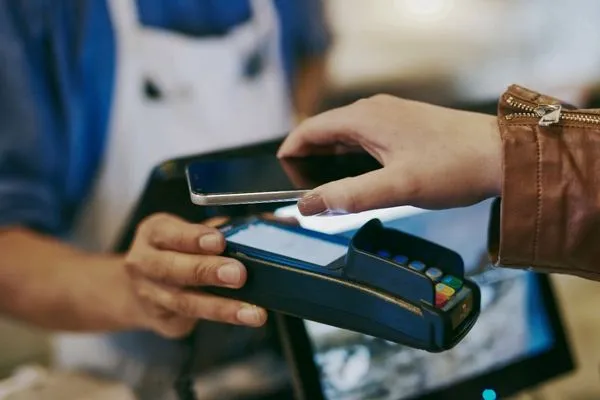
For many millennial parents, paying for something now takes less effort than ever: tap a phone, glance at the screen, and you’re done.
But for Gen Alpha kids growing up around digital wallets, contactless cards, subscriptions, and one-click purchases, there’s a catch. Money can become almost invisible.
When there’s no cash leaving a wallet and no coins to count, spending can feel less tangible. That makes everyday purchases an opportunity for parents to teach an important lesson: digital money is still real money.
Make the Invisible Visible
You don't need to turn every grocery trip into a financial lesson. Instead, narrate what you're already doing.
Before tapping your phone, try saying: “We’re spending $8 on this. That means we have $8 less for something else.”
This simple habit connects the digital action: the tap—with its real-world value.
The Consumer Financial Protection Bureau recommends that parents “think out loud” about everyday money decisions so children can understand what is happening behind purchases and payments.
Give Money A Job
Instead of teaching only “don’t spend too much,” help kids understand what money can do.
For example, divide an allowance or gift money into simple goals:
Spend: money for something they want now.
Save: money for a bigger goal.
Give: money they choose to share.
Plan: money reserved for something coming up.
The goal isn't to make every child an expert budgeter. It's to help them see that spending one dollar means making a choice about that dollar.
For younger children, even concepts such as waiting, planning, recognizing needs versus wants, and understanding trade-offs are useful building blocks.
Turn The Tap Into A Teaching Moment
The next time your child sees you tap to pay, try a three-step conversation:
Name the price. “This costs $15.”
Name the choice. “We decided it was worth spending $15 on.”
Connect it to the bigger picture. “That means we have $15 less in our spending money this week.”
For older kids, you can go one step further: show them the transaction in your banking app and explain how the purchase appears in your account.
That connection matters because digital payments can otherwise hide the physical experience of spending. The Consumer Financial Protection Bureau specifically notes that card payments can be mysterious to children when they don't see cash changing hands.
Don't Make Money Conversations A Lecture
Parents don't need to recreate their own childhood experience of counting coins at the kitchen table. Gen Alpha is growing up in a different payment environment, so financial education needs to reflect that reality.
The good news? You can teach financial literacy using the technology your family already uses.
Talk about the grocery total. Compare two prices. Let your child watch you check a transaction. Set a savings goal together. Ask, “Was that worth it?” after a purchase.
These small conversations add context to the tap.
Because the lesson isn't really about cash versus digital payments. It's about helping children understand that every tap represents a choice and every choice has value.