
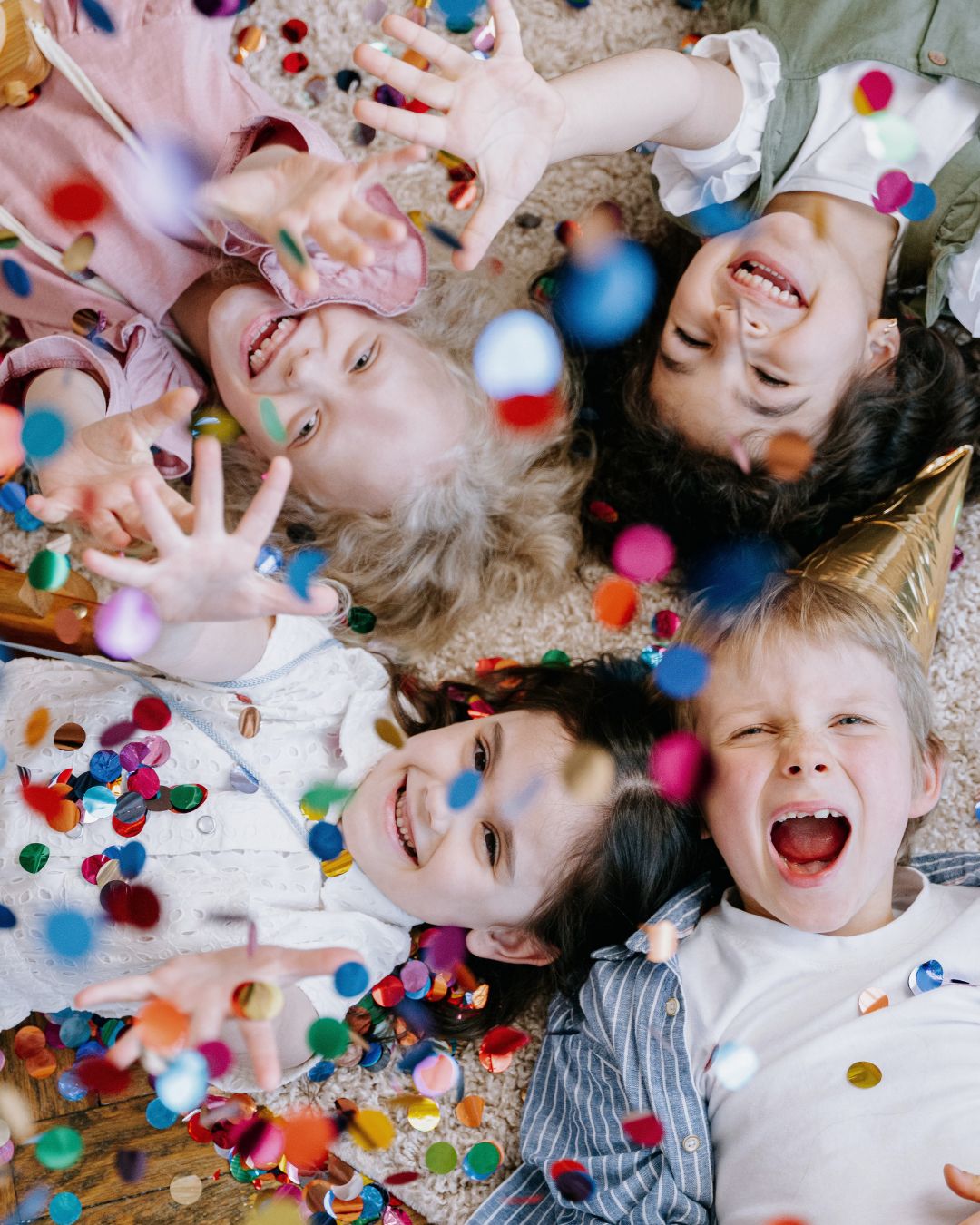
Raise Grateful Kids in a World of "More"
We live in a world where “more” is always within reach. More toys, more gadgets, more snacks, more everything. For children, this environment can quietly shape an expectation that happiness comes from having more things.
But gratitude doesn’t grow automatically. It has to be taught, practiced, and modeled.
Raising grateful kids today isn’t about limiting joy, it’s about helping children find joy that doesn’t depend on constant consumption.
Why Gratitude Matters
Gratitude is more than saying "thank you." It's a mindset that helps children:
a. Appreciate what they already have
b. Feel more satisfied with less
c. Develop empathy for others
d. Build healthier relationships with money and possessions
Research consistently shows that grateful children tend to be more resilient, less materialistic, and more emotionally balanced.
In a "more is better" culture, gratitude becomes an essential life skill.
Why Kids Struggle with "Enough"
Children are growing up in an environment shaped by:
a. Constant advertising (especially online)
b. Social media comparisons
c. Easy access to instant purchases
d. Peer pressure and trend cycles
Without guidance, it's easy for kids to equate "I want" with "I need."
That's why intentional parenting matters more than ever.
Practical Ways to Raise Grateful Kids
1. Model gratitude daily: Children learn more from what they observe than what they're told. Express appreciation out loud for small, everyday things like meals, help from others, or simple moments.
2. Delay gratification: Not every request needs an immediate "yes." Waiting teaches children patience and helps them understand that they don't need everything right away.
3. Shift focus from "getting" to "giving": Encourage kids to participate in small acts of generosity like donating toys, helping others, or saving to give.
4. Limit unnecessary exposure to "more": This doesn't mean removing all media, but being mindful of what influences their expectations, especially ads and constant shopping content.
5. Practice gratitude as a routine: Simple habits like sharing "one good thing about today" at dinner can slowly build a gratitude mindset.
Teaching "Enough" in a World of Excess
One of the most powerful lessons we can give children is this:
Happiness doesn't increase endlessly with more things.
it grows when they learn to appreciate what's already in their lives.
Gratitude helps children shift from:
a. "I want more" → “I have enough”
b. "What am I missing?" → “What do I already have?”
That shift changes everything about how they relate to money, success, and happiness.
Final Thoughts
We can't remove children from a world of "more," but we can equip them to navigate it wisely.
And when kids learn gratitude early, they don't just grow up wanting less, they grow up valuing more of what truly matters.