
Making Screen Time More Productive: How A Roblox Game Can Turn Play Into Financial Learning?
For many families, screen time is part of everyday life. Games, videos, and apps are easy to access and engaging for kids. The challenge isn’t always whether children will spend time on screens, it’s how that time can be used in a way that supports learning, creativity, and positive habits.
One promising approach is interactive games that blend entertainment with real-world skills. On platforms like Roblox, some experiences are designed not just for fun, but also to introduce ideas kids will use later in life.
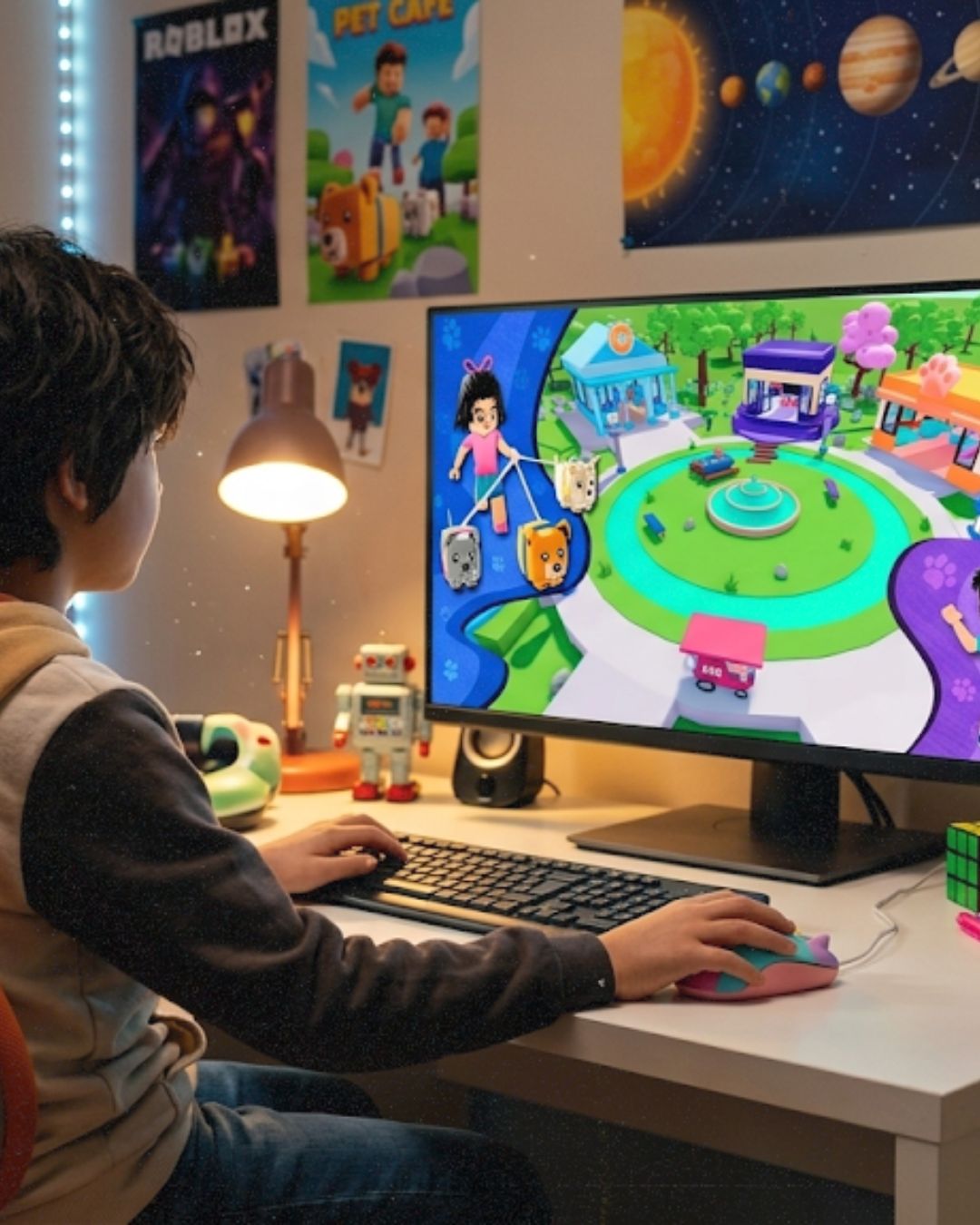
For example, Mimi’s Dream Builders, a game built around simple financial concepts and goal-based play. Rather than feeling like a lesson, the game invites players to learn by doing.
Learning Financial Basics Through Play
Financial literacy can be a difficult topic to introduce to younger children. Concepts like saving, investing, and budgeting often feel abstract without a practical example. Games can make these ideas easier to understand by placing them inside interactive scenarios.
In Mimi’s Dream Builders, players earn coins by completing activities such as racing through obstacle courses. Those coins can then be used in different ways like saved toward a goal, invested to grow over time, spent on items, or donated to help animals.
While the gameplay remains fun, it quietly introduces a few foundational ideas:
Earning: Players complete challenges to gain coins
Saving: Progress toward a larger goal encourages patience
Investing: Visiting the in-game bank allows players to see how interest can grow their balance
Spending choices: Players decide when to buy items or keep saving
Giving back: Donations to the animal shelter reinforce generosity and social responsibility.
Because these choices are built into gameplay, kids naturally begin experimenting with different strategies. Learning what happens when they spend quickly versus saving for something bigger.
Turning Goals into Motivation
One reason games are powerful learning tools is that they give players clear goals and immediate feedback. In Mimi’s Dream Builders, the central goal of saving enough coins to adopt a dog helps create a sense of purpose.
Instead of simply collecting currency for its own sake, players are working toward something meaningful within the game’s world. This mirrors how financial decisions often work in real life: saving for something you care about.
For younger players especially, this kind of goal-based system helps connect actions (earning and saving) with outcomes (reaching a dream).
Interactive Learning Feels Different From Traditional Lessons
Many educational tools rely on quizzes or direct instruction. While those approaches have value, interactive environments can offer something different like experiential learning.
Games allow kids to:
Try decisions without real-world consequences
See results immediately
Adjust their strategies through experimentation
A child might invest their coins to see how interest works, spend them on clothing items, or donate to the shelter to help animals in need. Each choice reinforces the idea that money can serve different purposes.
Because the learning happens through exploration, it rarely feels like a lecture.
Creativity and Agency in a Digital World
Another reason platforms like Roblox have become so popular is the sense of agency they give players. Kids aren’t just watching content, they’re interacting with it.
In Mimi’s Dream Builders, players move through different environments, complete challenges, and decide how to use their earnings. That sense of control makes the experience engaging while encouraging problem-solving and planning.
Instead of passive screen time, it becomes a form of active play in a digital space.
A Different Perspective on Screen Time
Conversations about screen time often focus on limits or restrictions. Those discussions are important, but they’re only part of the picture. Another helpful question is: What kinds of digital experiences are kids having while they’re on screens?
When games incorporate creativity, decision-making, and practical skills, they can become tools for learning rather than distractions.
Experiences like Mimi's Dream Builders show how digital play can introduce meaningful ideas—like saving, investing, and generosity—in ways that feel natural to children.
For many families, the goal isn’t eliminating screen time entirely. It’s making that time more intentional, engaging, and connected to real-world skills.
And sometimes, learning about money starts with something simple: earning a few coins, saving up for a dream, and helping a few virtual pups along the way.