
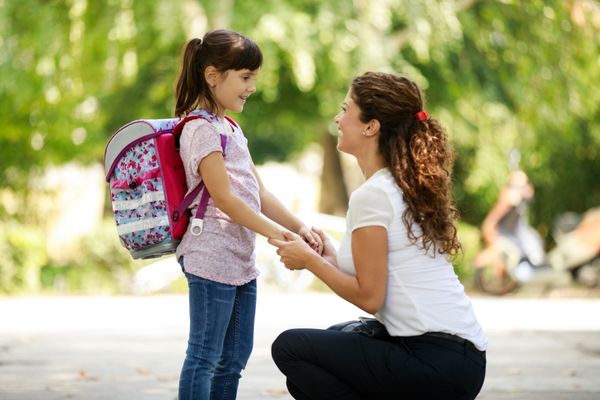
Back-to-School: Helping Kids Build Confidence, Curiosity, and Resilience
Back-to-school season is often filled with shopping lists, new shoes, backpacks, school supplies, and excitement about a fresh start. But while parents prepare their children for a new classroom, there is another kind of preparation that can have a lasting impact: helping kids build confidence, curiosity, and a positive mindset.
A new school year is more than an academic reset. It is an opportunity for children to practice making decisions, setting goals, and learning how to approach new experiences with curiosity.
And those skills extend far beyond the classroom.
Helping Kids Feel Confident About a New School Year
Every school year brings something unfamiliar. There may be a new teacher, new classmates, harder assignments, changing friendships, or activities a child has never tried before.
It is natural for children to feel nervous about these changes.
One parent recently shared that her child asked, “What if this year is hard?”
That simple question opens the door to an important conversation.
Instead of trying to convince children that everything will be easy, parents can help them understand that challenges are a normal part of growing. The goal isn't to eliminate nervous feelings. It's to help children feel equipped to work through them.
A child who learns to say, “This feels hard, but I can figure it out,” is developing a powerful mindset, one that can influence how they approach school, friendships, goals, and challenges throughout their lives.
Curiosity Can Turn Fear Into Confidence
When children face something unfamiliar, their first instinct may be to worry about what could go wrong. Curiosity offers another path.
Instead of only thinking: “What if this year is hard?”
Children can learn to ask: “I wonder what this year will be like?”
That small shift changes the way they approach uncertainty.
Curiosity encourages children to explore rather than assume. It gives them permission to ask questions, consider possibilities, and learn that they don’t have to know everything before they begin.
A child who walks into a new classroom wondering what they might learn, who they might meet, or what they might enjoy is in a different place than a child who is simply bracing for something to go wrong.
The goal isn’t to erase fear. It’s to make room for curiosity alongside it.
Give Kids Space to Name What They’re Feeling
Sometimes, helping a child build confidence starts with simply giving them space to talk.
A child may not know exactly why they're nervous about a new school year. They may be worried about making friends, keeping up with schoolwork, trying something new, or simply leaving behind the familiarity of summer.
Rather than immediately reassuring them that everything will be fine, try getting curious about the feeling.
You might ask:
“What part of this year are you wondering about?”
“Is there anything you're feeling nervous about?”
“What are you looking forward to?”
“What do you think might be challenging?”
“What could help you feel more prepared?”
These conversations don't have to lead to a solution.
Sometimes, being able to name a feeling and know that a parent is willing to listen is enough to help a child feel more capable of moving forward.
Goal-Setting Doesn't Have to Be About Grades
The beginning of a school year is also a natural time for children to set goals.
But goals don't have to focus exclusively on grades, test scores, or academic achievements.
Ask your child: “What do you want to get better at this year?”
Maybe they want to read more books, make new friends, become more organized, learn a new skill, or become more confident speaking in front of the class.
For younger children, try: “What do you want to get good at?”
For teens, ask: “What do you want to feel different about this year?”
The important part is that the goal belongs to the child.
When children participate in choosing their goals, they have an opportunity to practice ownership, responsibility, and self-reflection.
They also begin to see that growth doesn’t happen all at once. It happens through small choices and consistent effort.
Focus on Progress, Not Perfection
A new school year can sometimes create pressure for children to “get it right” from the beginning. The new teacher. The new class. The new routine. The new expectations.
But children don't need to have everything figured out on day one. They need opportunities to practice.
They may struggle with an assignment, have an awkward interaction with a new friend, forget something important, or discover that an activity they were excited about isn't what they expected.
These moments can become opportunities to reinforce a simple message. You don't have to get everything right. You can learn as you go.
When children understand that mistakes and challenges are part of the process, they may become more willing to try, ask questions, and keep going when something feels difficult.
That is where confidence grows, not from knowing exactly what will happen, but from trusting that they can respond when it does.
The Power of Small Conversations
Parents don't need to give their children a lesson about confidence or resilience.
Some of the most meaningful conversations happen during ordinary moments.
A conversation at dinner. A walk to school. A few minutes in the car. Bedtime before the first day.
These moments give children space to talk about what they are thinking and feeling without making the conversation feel like a lesson.
Try This With Your Kids This Week
At dinner, instead of asking: “Are you excited for school?”
Try asking: “What's one thing you're curious about this year?”
The answer can be small. Maybe they're curious about a new subject, a new friend, a teacher, a school activity or even what's being served for lunch on Fridays.
For younger children, ask: “What do you want to get good at?”
For teens, go a little deeper: “What do you want to feel different about this year?”
Then connect their answer to one small action they can take.
If they want to become more organized, they could create a simple routine. If they want to make new friends, they could set an intention to introduce themselves to someone new.
The goal isn't perfection. It's practice.
Raising Kids Who Are Ready for What’s Next
The skills children practice today can become the foundation for the adults they become tomorrow.
Curiosity can help them ask better questions. Goal-setting can teach them to think about what matters to them. Reflection can help them understand their own feelings and needs. Small steps can show them that meaningful growth happens over time. A positive mindset can help them approach challenges not as proof that they can’t do something, but as opportunities to learn.
Back-to-school season gives families an opportunity to practice all of these skills together.
The most important preparation may not be something you can put on a school supply checklist. It may be helping your child believe: “I can ask questions. I can make choices. I can learn from mistakes. I can set goals. And I can figure things out.”
Those are lessons worth carrying into every classroom and into every new experience that comes after.
Small Choices Today. Confident Futures Tomorrow.
Every season brings new opportunities to help children build confidence, curiosity, and a positive mindset.
The small choices kids practice today can become the confidence, independence, and resilience they carry into tomorrow.
This school year, give your child more than new supplies.
Give them opportunities to think, question, explore, set goals, and grow.
Because empowering young minds today is one of the most meaningful ways we can prepare them for whatever comes next.